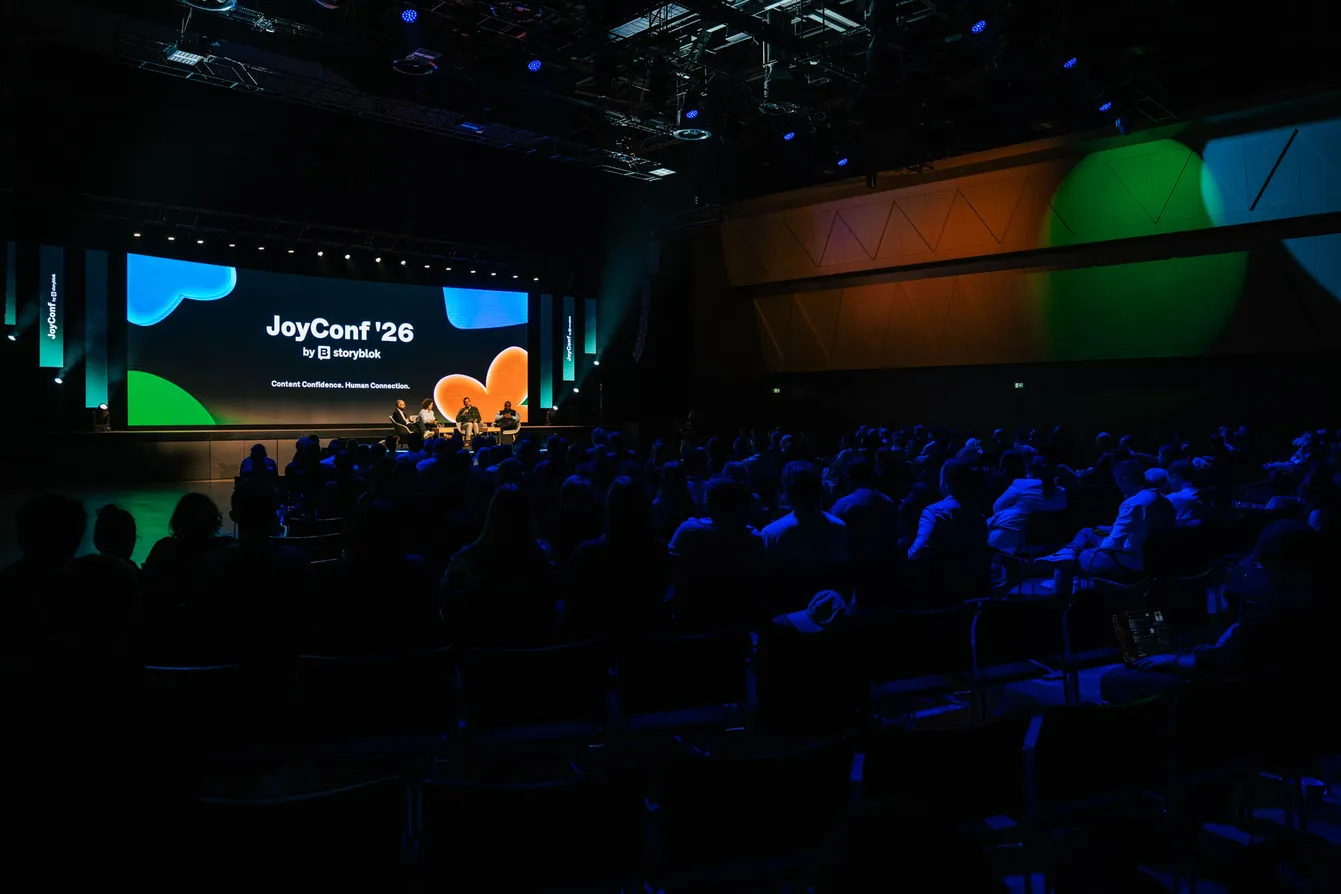

On October 28–29, Gintarė Martinėnaitė and Margarita Čenienė attended JoyConf ‘26 by Storyblok, an annual conference bringing together professionals from development, marketing, and digital experience fields in Mainz, Germany.
One of the biggest topics throughout the event was the growing impact of AI on how people search for information and discover businesses. As more users turn to AI-powered tools, traditional website traffic is changing, raising new questions about how brands can stay visible.
The numbers shared during the conference put this shift into perspective:
These figures highlight why simply attracting clicks is no longer the whole story. Brands also need to make sure their content is clear, relevant, and easy for AI tools to understand.
One particularly interesting takeaway was the growing importance of content quality and maintenance.
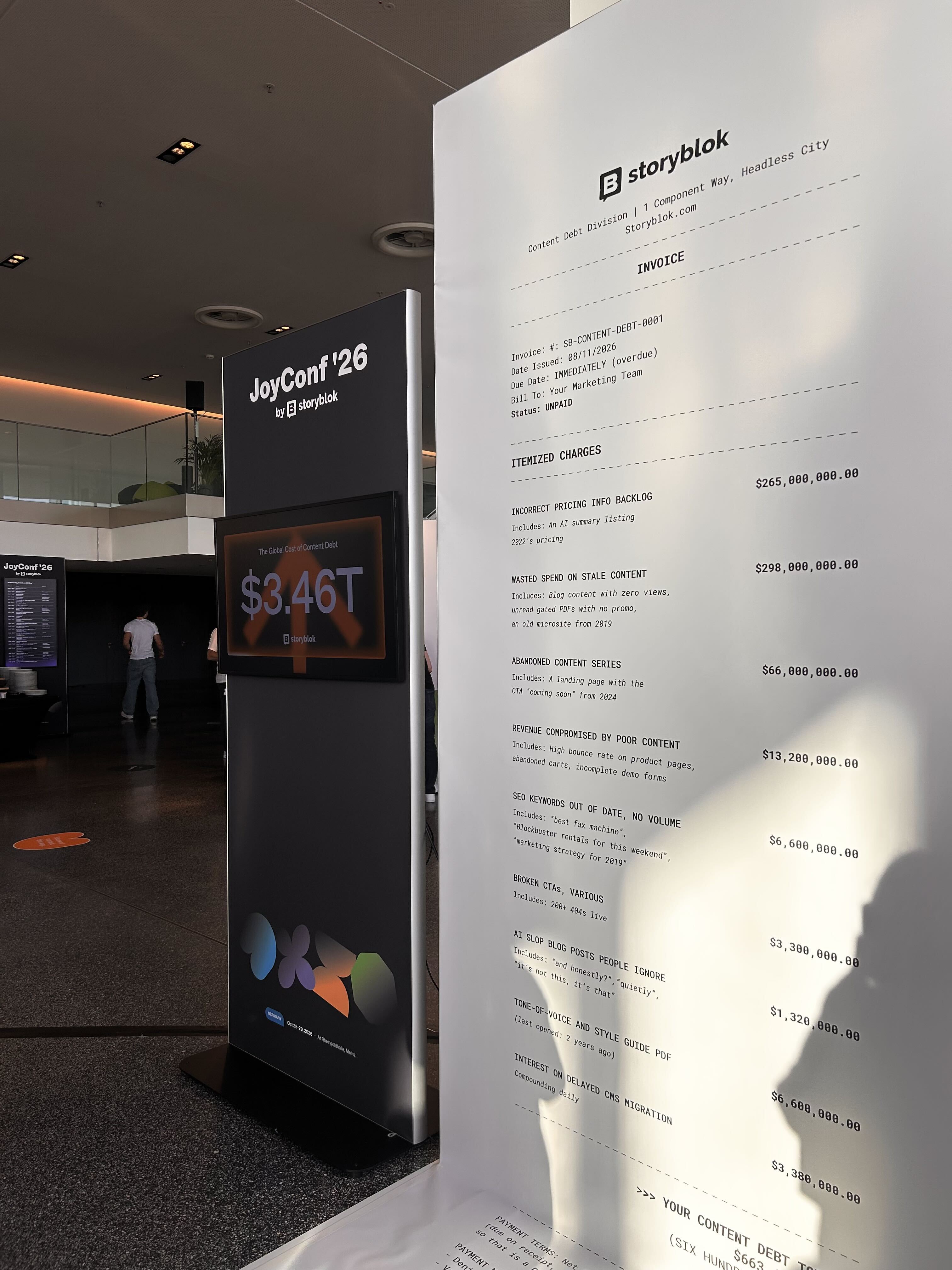
Many organisations struggle with what's known as content debt: outdated information, duplicated pages, or content that requires constant manual updates.
This can include old pricing and product specifications, outdated images and assets, repeated FAQs, accidentally published landing page drafts, or complex interactive elements that frequently break and need manual maintenance.
While these issues have existed for years, the rise of large language models (LLMs) has made them much harder to overlook. AI tools may skip or overlook content with outdated information, meaning even an established website can lose visibility if its content is no longer reliable.
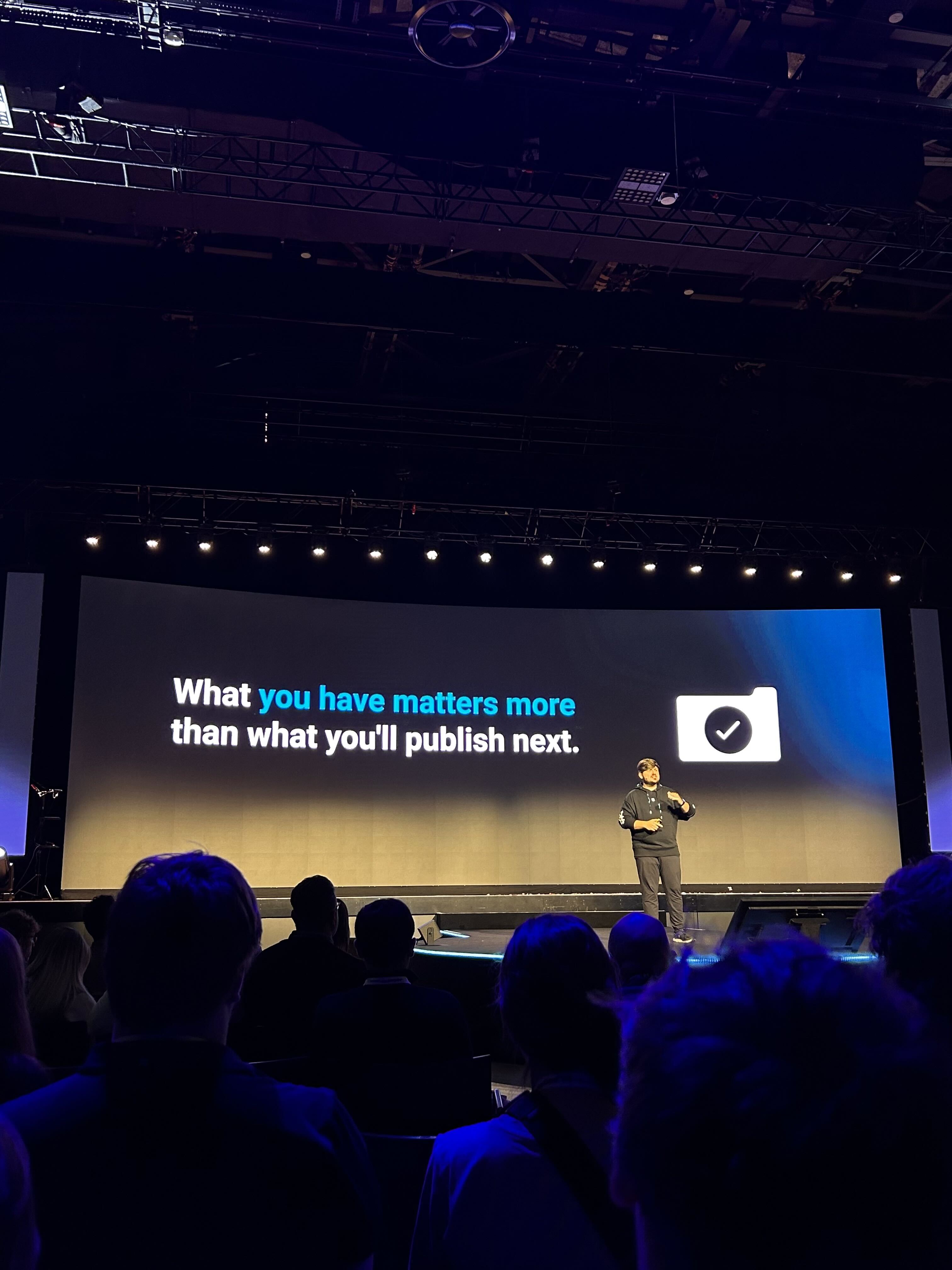
Another interesting point was that LLMs often favour established content that has been around for a while and is already referenced by other sources. This makes reviewing and improving existing articles just as important as publishing new ones.

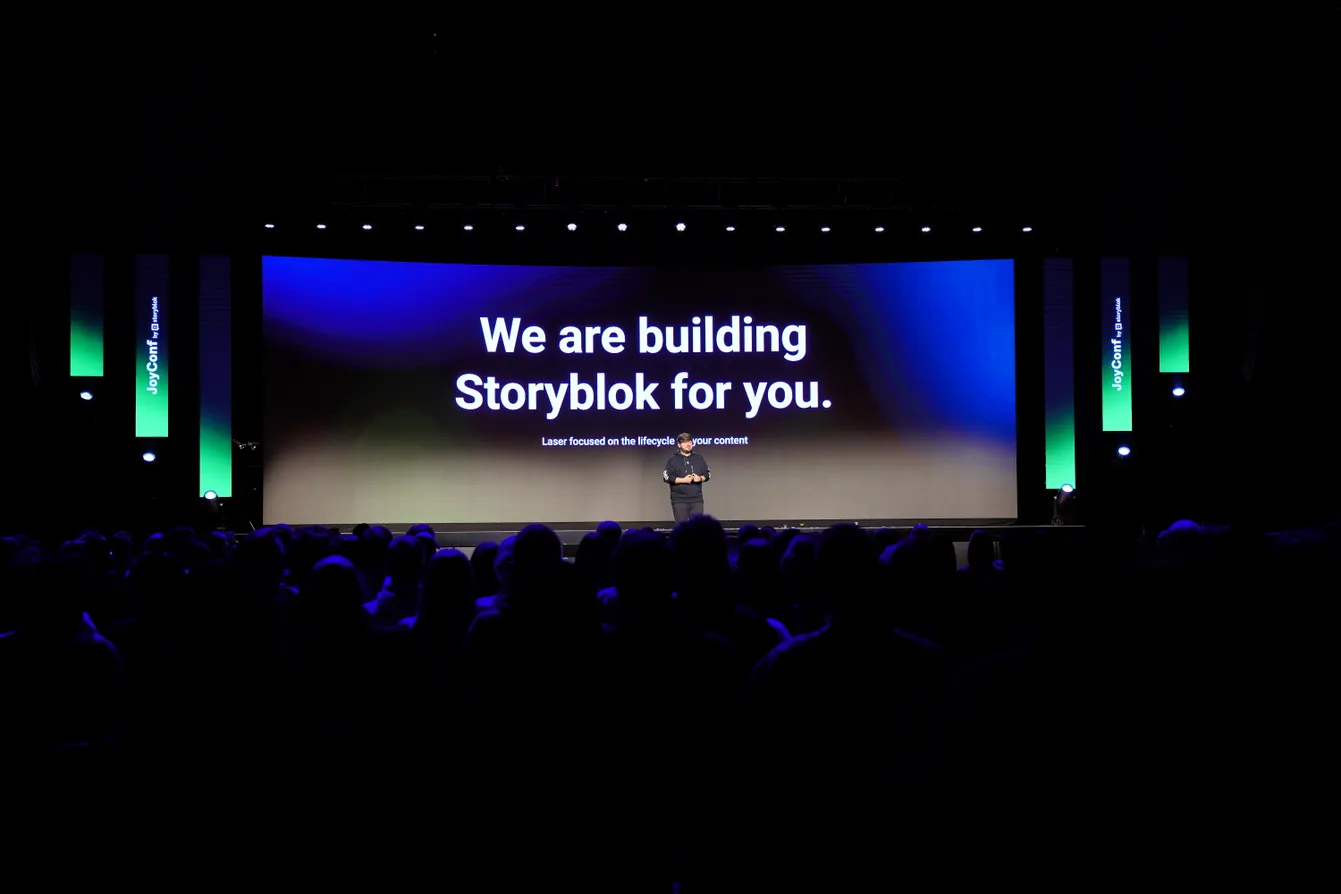
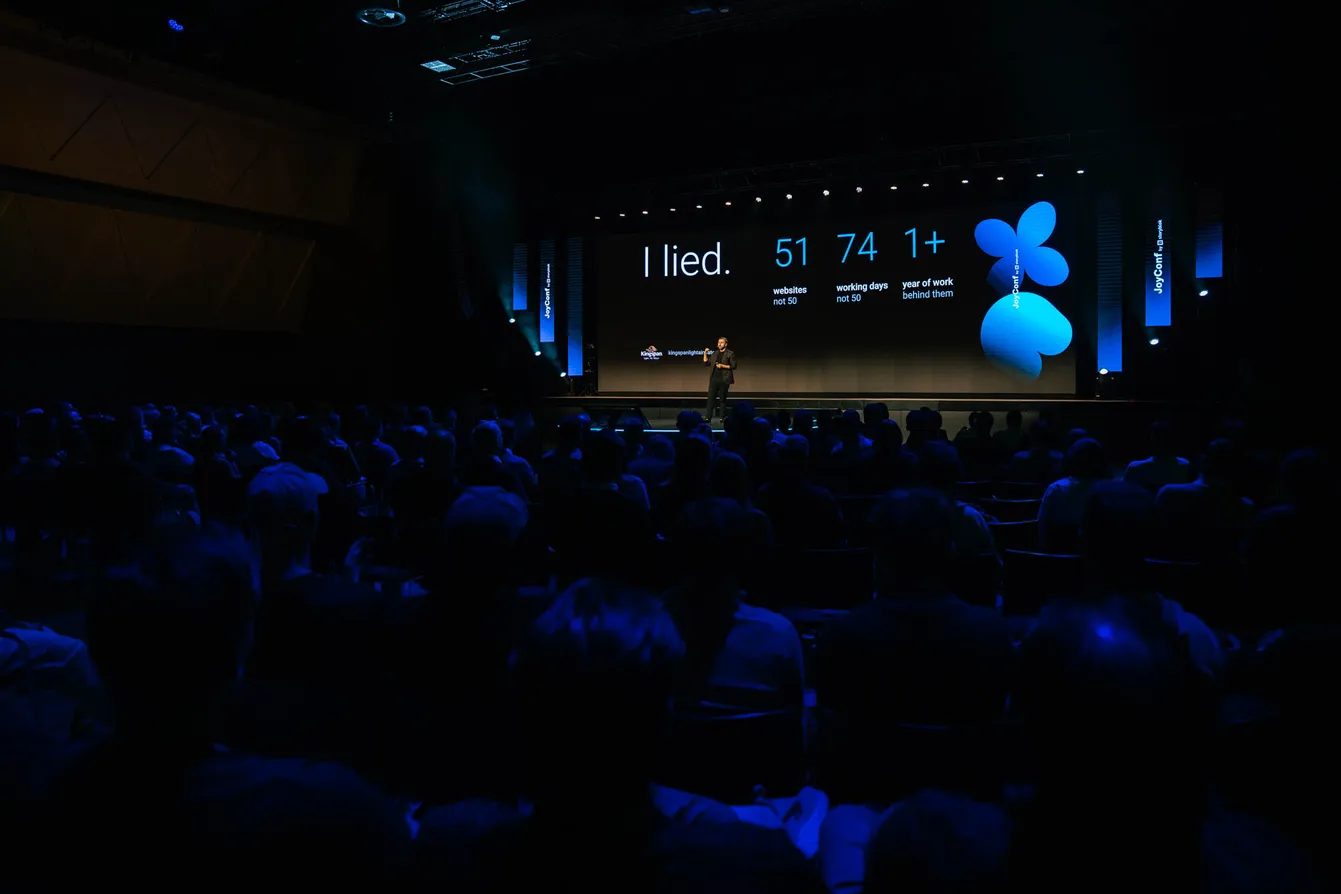
Beyond AI and content strategy, the conference also highlighted the importance of accessibility in creating better digital experiences.
Some of the discussions focused on making websites more accessible and easier to navigate for different users, including people with ADHD. Clear structures, intuitive navigation, and thoughtful content presentation can make a real difference in how people interact with a website.
With sessions throughout the day, partner booths to explore, and opportunities to connect with professionals across the industry, JoyConf offered plenty of perspectives on where digital experiences are heading.
For Gintarė and Margarita, it was a chance to look at familiar challenges from new angles, discover different approaches, and get a better sense of how AI, content strategy, and accessibility are shaping the future of digital experiences.

From conference sessions to conversations and everything in between, here's a little glimpse of Gintarė and Margarita's time at JoyConf '26.